Let’s be real—most homeowners don’t give their attic insulation a second thought… until their energy bills skyrocket or they find mold creeping into their ceilings.
But here’s the thing: if your attic insulation is old, damaged, or improperly installed, no amount of fancy HVAC upgrades will fix your home’s efficiency problems.
That’s why attic insulation removal isn’t just a “maybe” project—it’s the critical first step to making your home comfortable, energy-efficient, and safe.
In this post, we’ll break down:
- Why removing old insulation is non-negotiable
- The dangers of skipping this step (hello, mold & pests!)
- How proper removal sets you up for long-term savings
- A real-life case study (spoiler: the homeowner saved $1,200/year)
Ready to stop wasting money? Let’s dive in.
Why Remove Old Attic Insulation? (It’s Not Just About Upgrades)
You wouldn’t put fresh paint over rotting wood, right? The same logic applies to insulation. Installing new insulation over old, degraded material is a band-aid fix—and it can cause bigger problems down the line.
Here’s why remove old attic insulation before anything else:
1. Old Insulation Loses Efficiency Over Time
Fiberglass settles, cellulose breaks down, and even spray foam can degrade after 15–20 years. If your insulation looks flat, compacted, or has gaps, it’s not doing its job.
Fun fact: The U.S. Department of Energy estimates that 25–40% of home energy loss happens through the attic. Yikes.
2. Hidden Contaminants Are a Health Hazard
Ever peeked into an attic and seen black streaks or a “snowy” layer on old insulation? That could be:
- Mold (from moisture buildup)
- Rodent droppings (a common allergen)
- Asbestos (in homes built before 1990)
Pro tip: If you suspect asbestos, don’t DIY this—hire a pro like Pro Insulation Contracting for safe removal.
3. Pests Love Old Insulation (And You Won’t)
Mice, squirrels, and even birds adore nesting in cozy, undisturbed attic insulation. If you’ve ever heard scampering above your bedroom at 3 AM, you know the struggle.
Removing infested insulation is the only way to fully evict them (and their… leftovers).
The Attic Insulation Removal Process: What to Expect
Okay, so you’re convinced—but what does attic insulation replacement actually involve? Here’s a quick breakdown:
Step 1: Inspection & Testing
A pro will check for:
- Moisture damage
- Pest infestations
- Asbestos (if pre-1990s home)
Personal insight: My neighbor skipped this step and later found out his “dusty” insulation was full of mouse droppings. Cue the $3,000 cleanup bill.
Step 2: Safe Removal
- Vacuum systems suck out loose-fill insulation.
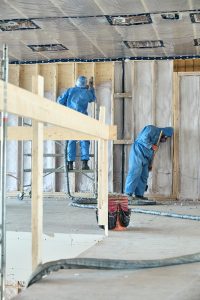
- Protective gear (masks, suits) prevent contamination.
- Sealed disposal keeps toxins out of your home.
Step 3: Prep for New Insulation
Now’s the time to:
- Seal air leaks (huge for efficiency).
- Install baffles for proper ventilation.
- Choose the right R-value for your climate.
Case Study: How Attic Insulation Removal Saved $1,200/Year
Meet Sarah from Toronto (name changed, story real). She was paying $350/month in winter heating bills despite having a new furnace.
After an energy audit, she learned:
✅ Her 30-year-old fiberglass insulation had R-8 (modern standards recommend R-50+).
✅ Moisture had caused mold growth under the layers.
The fix?
- Full attic insulation removal (took 1 day).
- Air sealing + upgraded to spray foam (R-52).
The result?
- Winter bills dropped to $220/month.
- No more drafts or ice dams.
- Better indoor air quality.
Moral of the story: Sometimes, the best upgrade is starting fresh.
FAQ: Quick Answers to Common Questions
Q: How do I know if I need attic insulation removal?
A: Look for uneven temps, high bills, moisture stains, or insulation that’s flat/discolored.
Q: Can I remove attic insulation myself?
A: Small jobs? Maybe. But if there’s mold/asbestos, hire a pro. Safety first!
Q: How much does it cost?
A: Typically 1–3/sq. ft. (cheaper than re-insulating over problems).
Key Takeaways
✔ Old insulation = energy waste (up to 40% of heat loss happens here).
✔ Health risks (mold, pests, asbestos) make removal a priority.
✔ Replacement boosts efficiency (like Sarah’s $1,200/year savings).
✔ Always hire pros for hazardous materials (trust me, it’s worth it).
Final Thoughts: Don’t Skip This Step!
If your home feels drafty, smells musty, or costs a fortune to heat/cool, your attic insulation is probably the culprit. And slapping new material over the old stuff? That’s like putting a new roof over a leaking one.
Ready to fix it for good? Get a free quote from Pro Insulation Contracting and start fresh. Your wallet (and your sinuses) will thank you.